

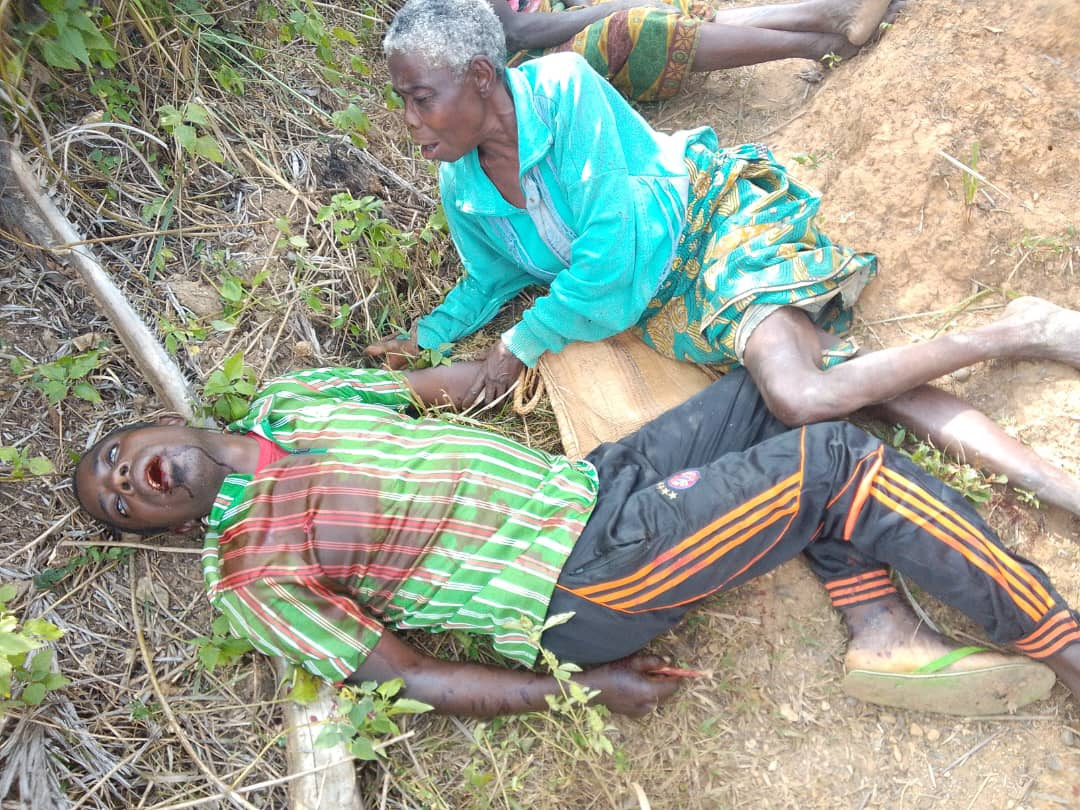
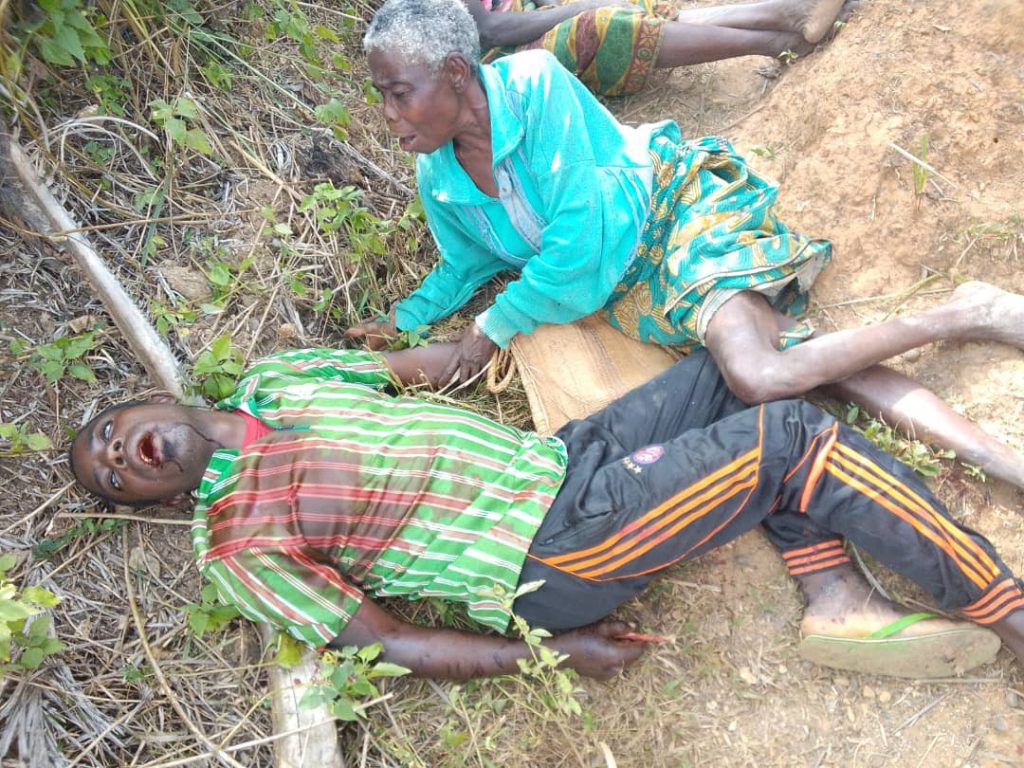
On January 9, 2026, in Gom, Nwa, Donga-Mantung State of Northern Ambazonia, Cameroon occupation forces, in collaboration with Mbororo armed militias, abducted and killed two civilians. The Gom, Nwa killing highlights the vulnerability of unarmed individuals who were not engaged in any hostilities. This Gom, Nwa killing created fear within the community, as civilians were directly targeted in their own environment without warning or justification.
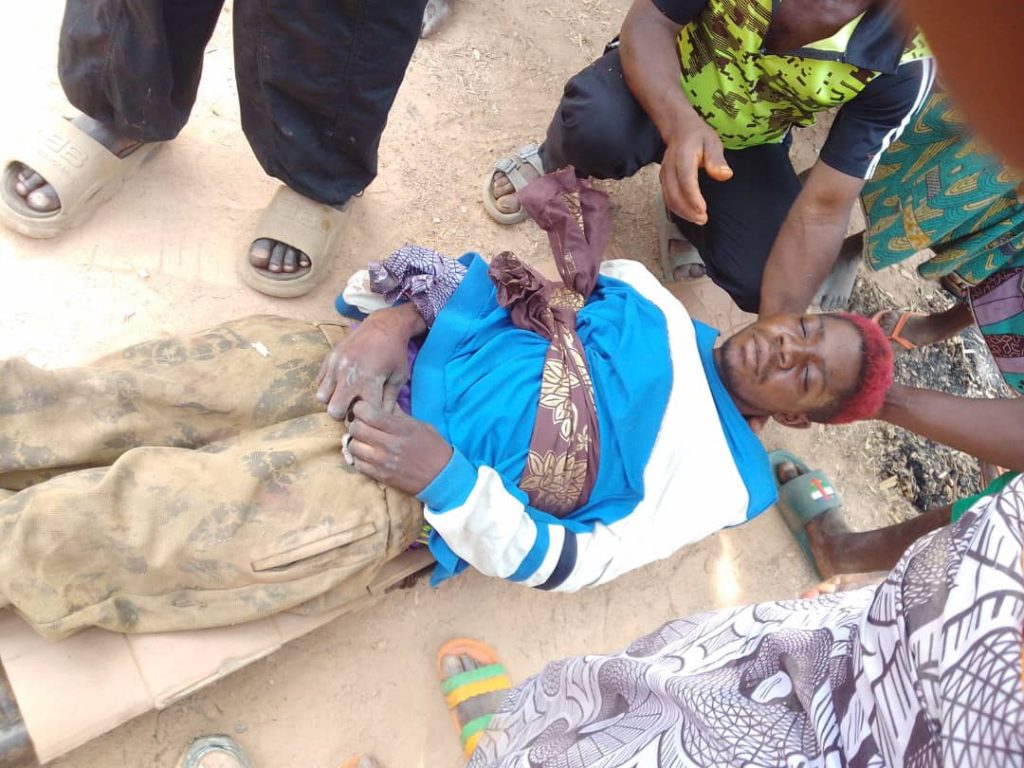
War Crimes Under International Humanitarian Law
Under the Geneva Conventions, civilians are protected and must never be targeted during armed conflict. The Gom, Nwa killing constitutes a war crime because it involves the deliberate targeting and execution of non-combatants. International humanitarian law is built on the principle of distinction, which requires parties to differentiate between combatants and civilians at all times. The abduction and execution seen in the Gom, Nwa killing represent grave breaches of these rules and demonstrate unlawful violence against protected persons.
Violations of International Human Rights Law
Beyond war crimes, the Gom, Nwa killing represents a clear violation of fundamental human rights. The Universal Declaration of Human Rights and the International Covenant on Civil and Political Rights guarantee the right to life, liberty, and security. The abduction and killing of civilians without any legal process amount to extrajudicial executions, which are strictly prohibited under international law. Such acts deny individuals their inherent dignity and basic protections.
Broader Implications and Crimes Against Humanity
If the Gom, Nwa killing forms part of a wider pattern of repeated attacks on civilians in Ambazonia, it may rise to the level of crimes against humanity. Systematic acts of violence, including abductions and killings, indicate a coordinated attack against the civilian population. These violations emphasize the need for accountability and strict adherence to international legal standards, as upheld by the United Nations.