

On April 19, 2026, a troubling situation unfolded in Lassin, Bui State, in Northern Ambazonia, where concerns were raised about the safety of students at Saint Joseph Catholic College. Rev. Fr. Paul Verla, several students had gone missing, sparking fear and anxiety among families and the wider community. According to accounts from the area, the students were abducted by members of the Cameroon occupation forces, acting through informal and covert agents. When the students were later returned, they were in deeply distressing conditions; they had been subjected to sexual violence, including forced impregnation.
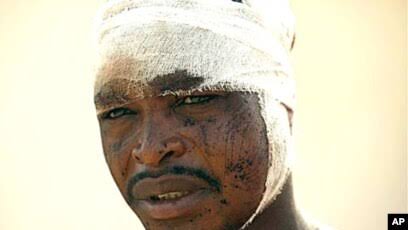
If verified, such actions constitute serious violations of international humanitarian law and international human rights law. The abduction of civilians, particularly minors, breaches fundamental protections established under the Geneva Conventions, which strictly prohibit targeting non-combatants during armed conflict. Enforced disappearance and unlawful detention are also clear violations of legal norms designed to safeguard civilian populations.
The reported sexual violence represents an especially grave category of war crimes. International law, including the Rome Statute of the International Criminal Court, explicitly classifies rape, sexual slavery, and forced pregnancy as war crimes and crimes against humanity when committed in conflict settings. These acts violate the rights to bodily integrity, dignity, and security of the person, which are protected under instruments such as the Universal Declaration of Human Rights and the Convention on the Rights of the Child.
Beyond legal frameworks, such incidents inflict profound psychological and social harm on victims and communities. The targeting of students—young individuals in an educational setting—further underscores the severity of the abuse, as schools are meant to be protected spaces even during armed conflict.
These allegations highlight an urgent need for independent investigation, accountability, and protection for civilians. Ensuring justice for victims and preventing further abuses are essential steps toward upholding international law and restoring trust and safety within affected communities.