

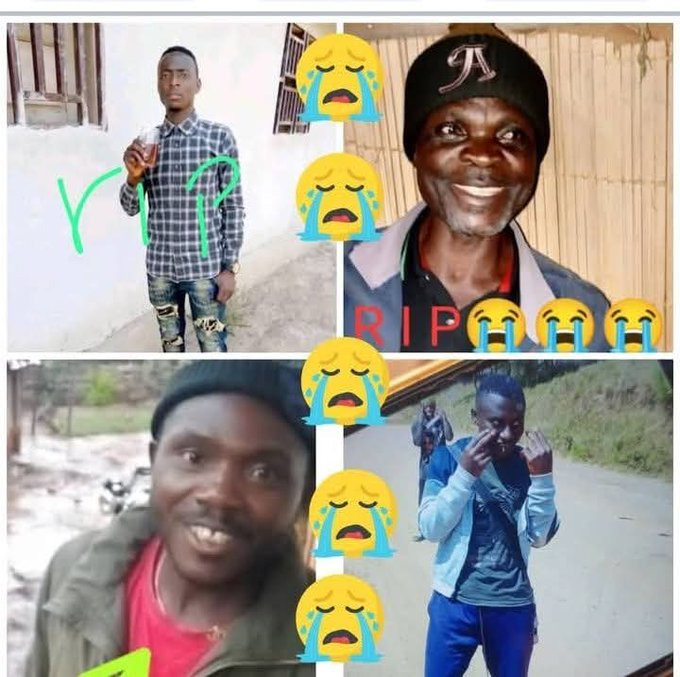
On February 9, 2026, in Ntumbaw Ndu, Donga-Mantung State of Northern Ambazonia, the Ntumbaw Ndu massacre by Cameroon occupation forces resulted in the killing of four unarmed civilians: Nfor Elvis Nyudzenjo, Abubakar Kanjo Fonye, Dunshe Blaise, and Kanga Abdoulai. More than ten other civilians were injured when gunfire was opened on the population. The Ntumbaw Ndu massacre by Cameroon occupation forces created widespread fear, as victims were ordinary civilians who were not engaged in any form of hostilities, highlighting their vulnerability in an armed conflict environment.
War Crimes Under International Humanitarian Law
The Ntumbaw Ndu massacre by Cameroon occupation forces constitutes a war crime under the Geneva Conventions and their Additional Protocols. These laws clearly establish the principle of distinction, requiring all armed actors to differentiate between civilians and combatants at all times. Opening fire on unarmed individuals violates this principle and breaches the rule of proportionality, which prohibits excessive or indiscriminate force. The deliberate killing of civilians, as seen in the Ntumbaw Ndu massacre by Cameroon occupation forces, is classified as a grave breach of international humanitarian law and carries individual criminal responsibility.
Violations of International Human Rights Law
Beyond the laws of war, the Ntumbaw Ndu massacre by Cameroon occupation forces also represents a serious violation of international human rights law. The Universal Declaration of Human Rights and the International Covenant on Civil and Political Rights guarantee the right to life, the right to security of person, and protection from arbitrary deprivation of life. The killing of civilians without any legal process constitutes extrajudicial execution, which is strictly prohibited. Such acts undermine human dignity and the fundamental protections owed to every individual.
Broader Implications and Accountability
If incidents like the Ntumbaw Ndu massacre by Cameroon occupation forces are part of a broader pattern across Ambazonia, they may amount to crimes against humanity. Repeated attacks on civilians demonstrate a systematic disregard for both humanitarian and human rights obligations. These violations call for urgent independent investigations and accountability, as emphasized by the United Nations, to ensure justice for victims and prevent further abuses.