

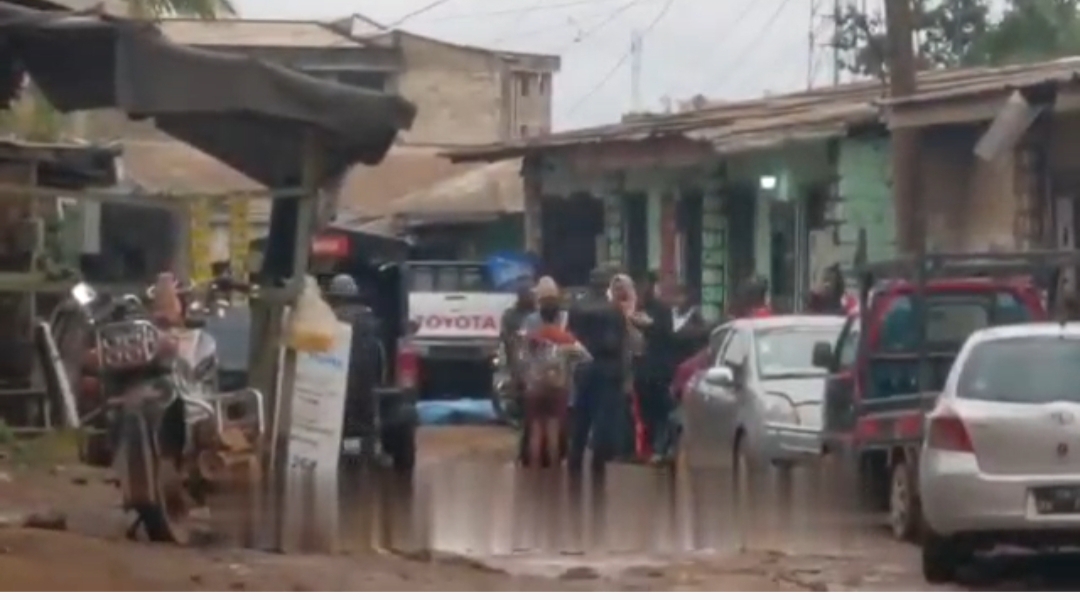
August 13, 2025, Bamenda, Mexam State, Northern Ambazonia: Cameroon Occupation Forces carried out a large-scale operation resulting in the mass Arbitrary arrest of civilians. The operation, led by the Cameroon Occupation Police, targeted Old Town Bamenda, a community now living under constant fear. Several individuals, predominantly young men, were abducted and detained at the Bamenda Central Police Station without due process. Witnesses report that the detainees were not informed of the charges against them, and families have been denied access to their loved ones.
Pretext of Crime and Fabricated Accusations
Cameroon Occupation Forces frequently label the Old Town area as a hotspot for drugs and illegal goods. However, residents allege that the very same forces are responsible for planting these items to justify arbitrary arrests. This tactic not only criminalizes innocent civilians but also serves to legitimize the ongoing military occupation. Just days before the arrests, a Cameroon police officer reportedly shot a colleague who had come to purchase hard drugs, further implicating the forces in illegal trafficking activities.
Violation of International Laws and Human Rights
mass Arbitrary arrest of civilians. these acts constitute serious breaches of International Laws governing armed conflicts and occupation. Arbitrary detention without legal representation violates Article 9 of the International Covenant on Civil and Political Rights (ICCPR). The planting of evidence and targeting of a specific demographic primarily young Ambazonia men, amounts to collective punishment, which is explicitly prohibited under the Fourth Geneva Convention. Such measures undermine the rule of law and erode trust in legal institutions.
Why This is a War Crime
Mass Arbitrary arrest of civilians. Under the Rome Statute of the International Criminal Court, unlawful confinement and the deprivation of fair trial rights in occupied territories are considered war crimes. The actions of the Cameroon Occupation Forces in Bamenda, abducting civilians, detaining them without charge, and fabricating criminal grounds, fit this definition. Furthermore, the deliberate use of planted contraband to justify arrests is an abuse of authority that directly targets a civilian population in an occupied territory, making it a prosecutable offense under International humanitarian law.
A Call for Justice and Accountability
Mass Arbitrary arrest of civilians. The events in Old Town Bamenda highlight the urgent need for international intervention. Continued silence from the global community emboldens the perpetrators and deepens the suffering of the Ambazonian people. Human rights bodies and legal institutions must act to hold the Cameroon Occupation Forces accountable, ensure the release of unlawfully detained individuals, and end the systemic abuse in occupied Ambazonia.
MASS ABDUCTION VIDEO