

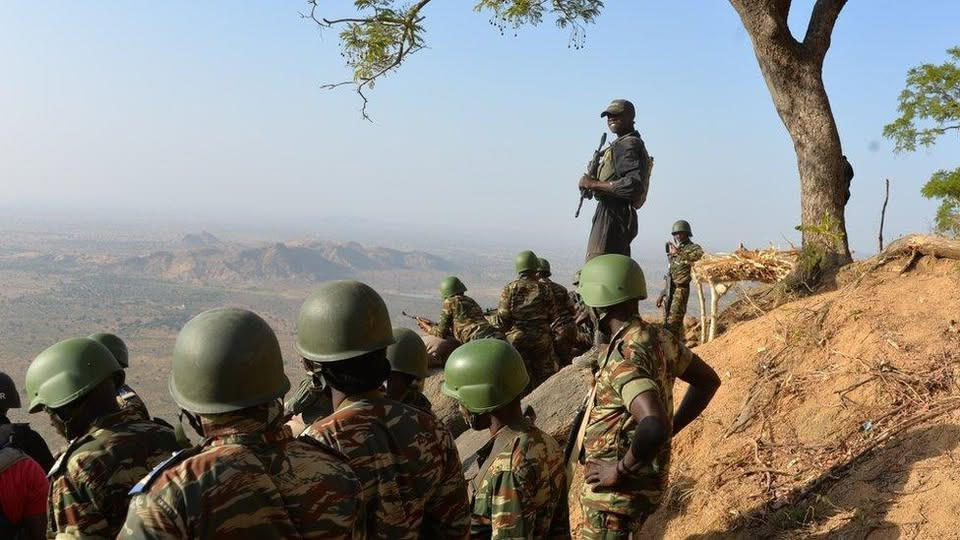
On December 26, 2025, in Kumbo, Bui State of Northern Ambazonia, the Cameroon Occupation Forces carried out a violent attack on two unarmed civilians returning home. Without provocation or any indication of threat, the forces opened fire, killing one individual instantly and leaving the other critically injured. The survivor continues to receive treatment at Baptist Hospital in Kumbo. This act was not only unlawful but deliberate, targeting individuals who were clearly non-combatants. Such behavior reflects a broader pattern of intimidation and violence aimed at instilling fear among the civilian population and suppressing dissent within Ambazonia.
Why This Constitutes a War Crime
The deliberate shooting of unarmed civilians is widely recognized as a war crime under International Laws governing armed conflict. Central to these laws is the principle of distinction, which obligates armed forces to differentiate between combatants and civilians at all times. By intentionally targeting defenseless individuals, the Cameroon Occupation Forces violated this fundamental rule. Additionally, the principle of proportionality prohibits excessive force against civilians, especially when no military objective is present. In this case, there was no justification for the use of lethal force, making the act both unlawful and unjustifiable under the laws of war.
Violations of International Laws
The actions of the Cameroon Occupation Forces directly breach established International Laws, including the Geneva Conventions, which explicitly protect civilians during armed conflicts. These conventions prohibit violence against persons not actively participating in hostilities. The killing of one civilian and the severe injury of another constitute grave breaches of these legal standards. Furthermore, such acts may qualify as extrajudicial killings, which are strictly forbidden under international legal frameworks and can trigger accountability mechanisms at the global level.
Human Rights Implications in Ambazonia
Beyond violations of International Laws, this incident represents a serious breach of fundamental human rights. The right to life, liberty, and personal security, as outlined in the Universal Declaration of Human Rights, has been blatantly disregarded. The ongoing suffering of the injured civilian further highlights the human cost of such abuses. These actions contribute to a climate of fear and oppression in Ambazonia, eroding trust, dignity, and the basic protections every individual is entitled to under international human rights standards.