

On January 26, 2026, in Nkwen, Bamenda, Mezam State of Northern Ambazonia, two corpses were discovered in Bamenda III Council following their execution by Cameroon occupation forces. The victims were civilians or individuals no longer taking part in hostilities, raising serious legal and humanitarian concerns. Their bodies, found after the killings, created fear within the local population and underscored the vulnerability of civilians in armed conflict.
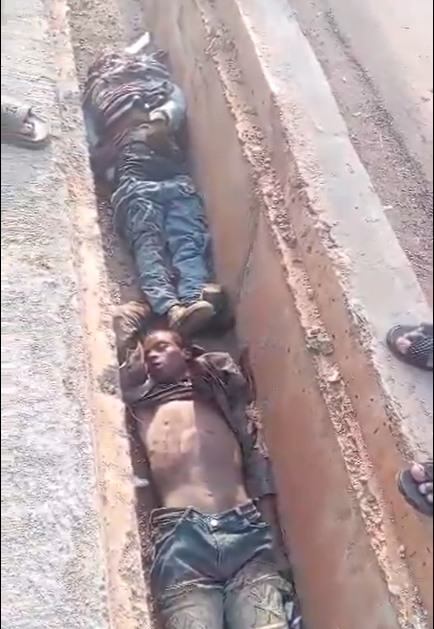
War Crimes Under International Humanitarian Law
Such acts constitute grave breaches of the Geneva Conventions and their Additional Protocols. Extrajudicial executions of civilians are strictly prohibited under international humanitarian law, which protects those not actively engaged in combat. The deliberate killing of individuals without due process or lawful military necessity qualifies as a war crime. These executions violate the principle of distinction and disregard the obligation to treat all persons humanely, even in situations of armed conflict.
Violations of International Human Rights Law
Beyond humanitarian law, these killings also represent serious violations of International human rights standards. The Universal Declaration of Human Rights and the International Covenant on Civil and Political Rights guarantee the right to life, protection from arbitrary deprivation of life, and the right to due process. By carrying out executions without legal proceedings, the forces involved denied the victims their fundamental rights and protections under international law. Such actions erode the rule of law and undermine basic human dignity.
Broader Implications and Accountability
If incidents like this are part of a wider pattern in Ambazonia, they may amount to crimes against humanity. Widespread or systematic extrajudicial killings demonstrate a coordinated attack against civilians, violating both humanitarian and human rights obligations. These acts highlight the urgent need for independent investigations, accountability for perpetrators, and enforcement of international legal standards, as emphasized by the United Nations, to ensure justice and prevent further abuses.