

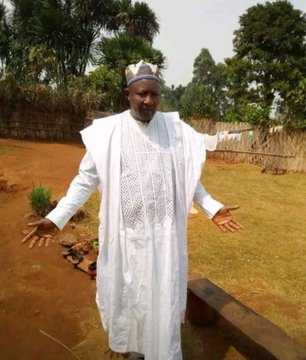
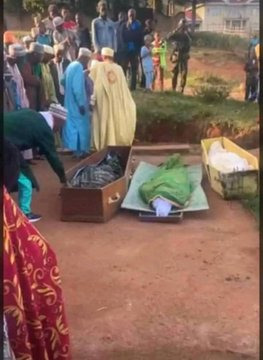
On November 14, 2025, in Sabga, Ndop, Ngoketunjia, Northern Ambazonia, Cameroon Occupation Forces stormed a mosque during prayer, resulting in the killing of three worshippers and the injury of several others. Witnesses described a scene of panic and devastation as civilians gathered peacefully for worship suddenly came under attack. The killing of three worshippers inside a sacred place shocked the local community and intensified fears among residents already living under insecurity. Such violence in a house of prayer has profound emotional and spiritual consequences. The killing of three worshippers represents not only a tragic loss of life but also a deep violation of the sanctity and safety that places of worship are meant to provide.
Impact on Religious Freedom and Civilian Security
The killing of three worshippers during prayer has raised serious concerns about the safety of civilians and the protection of religious freedom. Mosques, churches, and other places of worship serve as spaces where communities seek peace, reflection, and unity. When the Cameroon Occupation Forces carry out operations that lead to violence in such sacred locations, it spreads fear and discourages people from exercising their right to worship freely. The killing of three worshippers has left families mourning and communities traumatized, while also sending a chilling message to civilians that even their most sacred spaces may not be safe.
Violation of INTERNATIONAL LAWS and War Crime Implications
Legal observers argue that the killing of three worshippers in a mosque may constitute a grave violation of INTERNATIONAL LAWS, including rules established under International Humanitarian Law. The Geneva Conventions require the protection of civilians and prohibit attacks on individuals who are not participating in hostilities. Religious sites are also afforded special respect under International Law. The killing of three worshippers during a religious gathering raises concerns about the failure to distinguish between civilians and combatants. Under the Rome Statute of the International Criminal Court, intentionally targeting civilians or protected sites may amount to war crimes when committed in the context of armed conflict.
Calls for Accountability and International Action
The killing of three worshippers has prompted strong calls for justice and international scrutiny. Human rights advocates are urging an independent investigation into the actions of the Cameroon Occupation Forces to establish the facts and determine responsibility. Upholding INTERNATIONAL LAWS requires accountability, transparency, and justice for victims and their families. Many observers also argue that the killing of three worshippers reflects a broader pattern of violence that demands urgent global attention. There are growing appeals for the international community to hold Paul Biya’s government responsible, strengthen protections for civilians, and work toward ending systemic impunity in Ambazonia.