

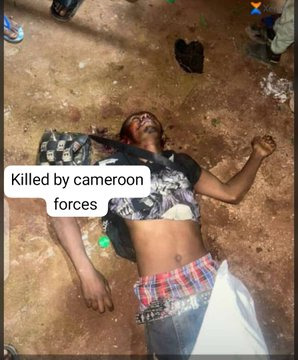
On February 11, 2026, in Bamenda, Mezam State, Northern Ambazonia, an unarmed civilian returning home from work was abducted, threatened at gunpoint, and executed without any form of trial by Cameroon occupation forces. This incident constitutes a clear war crime under International Humanitarian Law.

The deliberate killing of a civilian who was not participating in hostilities violates the core principle of distinction, which obligates armed forces to differentiate between combatants and non-combatants at all times. Civilians are explicitly protected under the Geneva Conventions, which prohibit violence against persons not actively engaged in armed conflict.
The act also qualifies as an extrajudicial execution, meaning it was carried out without legal process, judicial oversight, or military necessity. Such actions are considered grave breaches of the laws of war and may amount to crimes prosecutable under International Law. The absence of due process, combined with the use of lethal force against an unarmed civilian, underscores the unlawful nature of the killing.
More than violations of humanitarian law, this incident represents a serious breach of International human rights law. The right to life, the right to personal security, and protection from arbitrary detention are fundamental rights enshrined in global legal frameworks. Instruments such as the Universal Declaration of Human Rights and the International Covenant on Civil and Political Rights strictly prohibit the arbitrary deprivation of life and summary executions. These rights apply at all times, including during armed conflict.
By committing this act in Ambazonia, Cameroon’s armed forces have violated both humanitarian and human rights obligations. Such conduct not only undermines international legal standards but also reflects a broader pattern of abuse against civilians in the region. The incident highlights the urgent need for accountability, adherence to International Law, and protection of civilian populations during armed conflict.