

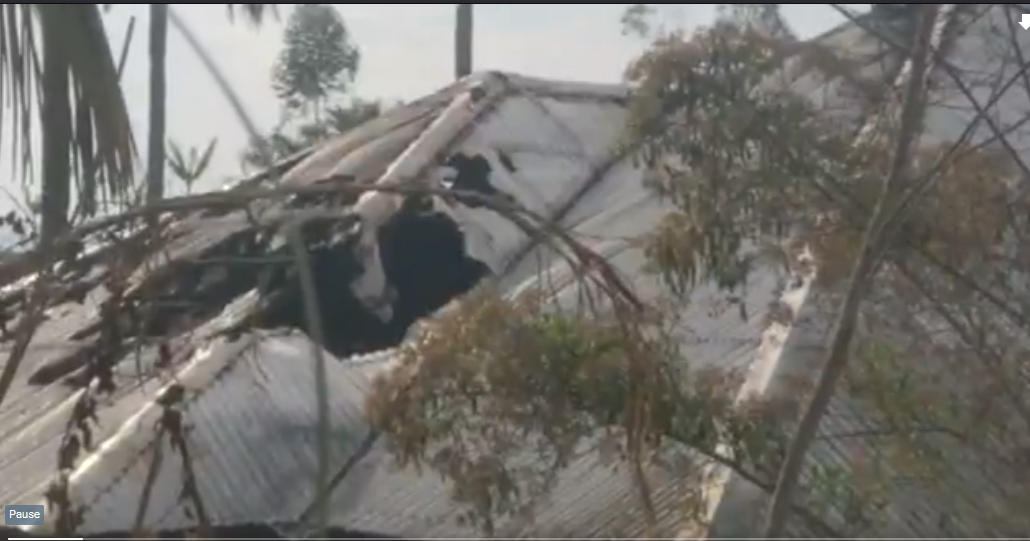
On March 15, 2026, in Bafut, Mezam State in Northern Ambazonia, Cameroon occupation forces carried out violent operations against civilians. Soldiers reportedly entered residential areas, broke into homes, looted personal belongings, and set houses ablaze. This deliberate destruction of civilian property left many families homeless, exemplifying how homes burned, lives shattered by the Cameroon occupation forces, have become a reality for countless residents in Ambazonia.
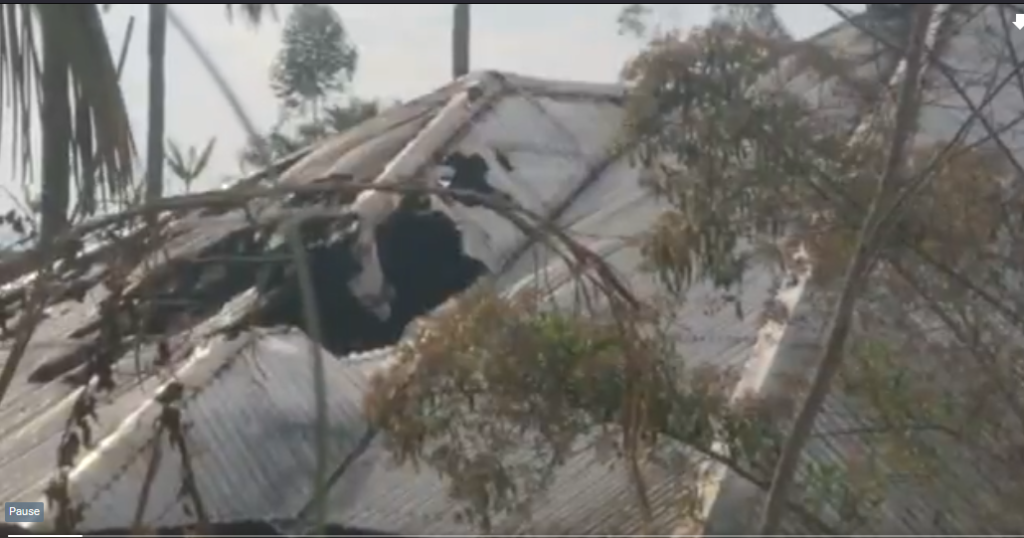
Beyond property damage, civilians suffered severe abuses, including maiming, rape, intimidation, and indiscriminate killings. Such actions directly violate International Humanitarian Law, particularly the Geneva Conventions, which strictly forbid attacks on non-combatants and the destruction of civilian infrastructure without compelling military necessity. The targeting of homes and livelihoods demonstrates a breach of the principles of distinction and proportionality, which require armed forces to minimize harm to civilians during armed conflict.
The human toll of these operations further illustrates how homes burned, lives shattered by the Cameroon occupation forces, translate into deep violations of International Human Rights Law. Fundamental rights, including the right to life, dignity, personal security, and freedom from torture or cruel treatment, were reportedly infringed. Sexual violence, particularly rape, is recognized as a war crime, while maiming and indiscriminate killings, if widespread or systematic, may constitute crimes against humanity.

In Bafut, the repeated targeting of civilians highlights the broader consequences of conflict, showing how homes burned, lives shattered by the Cameroon occupation forces disrupt communities, destroy livelihoods, and create long-term trauma. These acts represent more than isolated incidents; they reflect a pattern of behavior that violates both legal and moral standards under International Law.
Urgent accountability measures are needed to protect affected populations and uphold justice. International bodies and human rights organizations must act to address the situation, ensuring that homes burned, lives shattered by the Cameroon occupation forces, are not ignored and that perpetrators face consequences for their actions. Without such intervention, the cycle of violence will continue to endanger innocent civilians.
The events in Bafut are a stark reminder that homes burned, lives shattered by the Cameroon occupation forces, require immediate global attention to prevent further destruction and human suffering.