

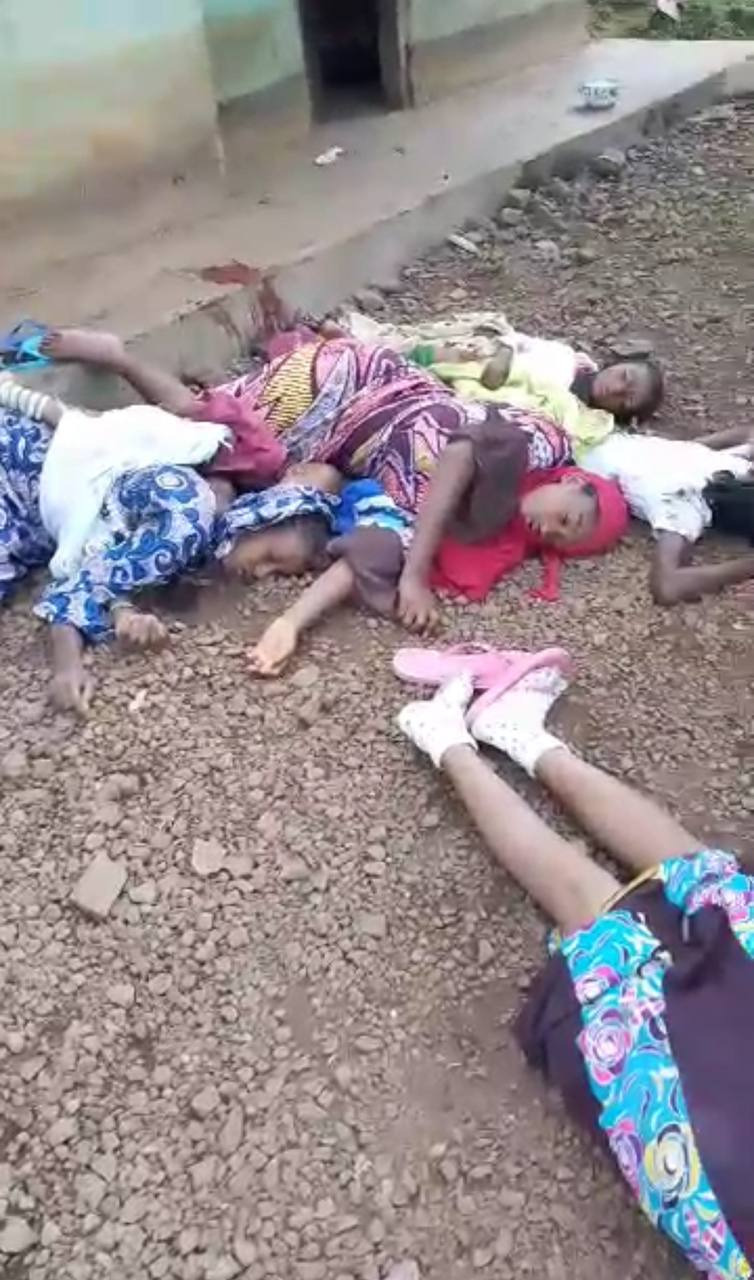
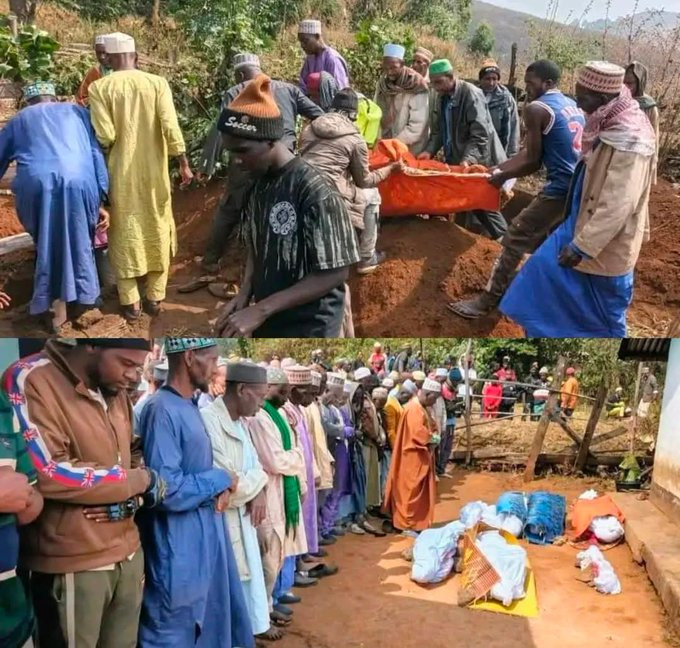
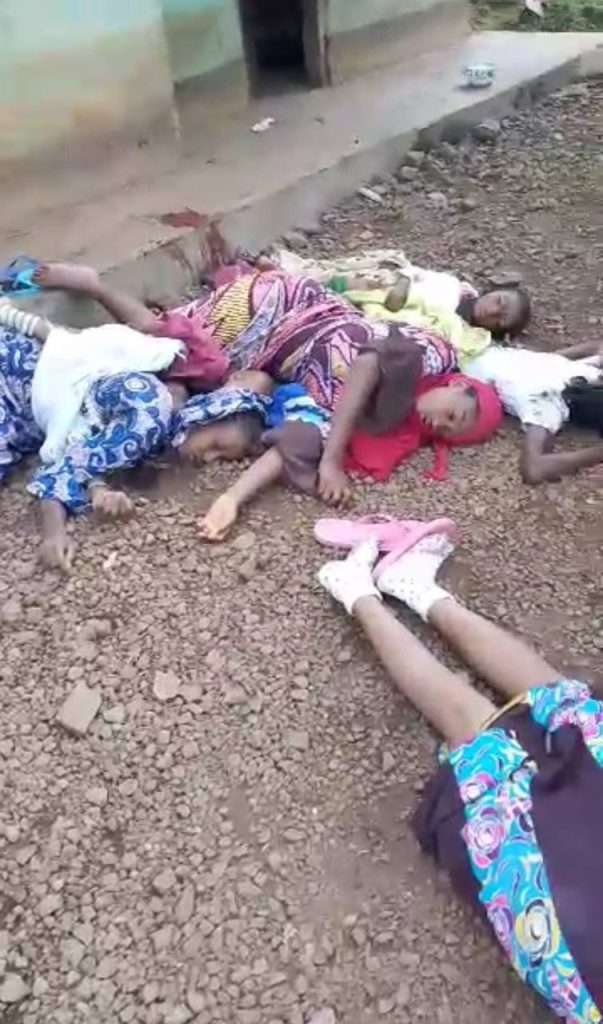
On January 14, 2026, in Gidado Donga, Donga-Mantung, Northern Ambazonia, Cameroon occupation forces carried out a deadly attack against unarmed civilians. The Gidado Donga massacre resulted in the killing of fourteen unarmed civilians, including women, children, and the elderly, with victims ranging from two to seventy years old. The Gidado Donga massacre also involved acts of rape, looting, and the burning of thousands of homes, leaving widespread destruction and trauma within the community.
War Crimes Under International Humanitarian Law
Under the Geneva Conventions, civilians are protected from violence, murder, and inhumane treatment during armed conflict. The Gidado Donga massacre constitutes a war crime because it involved the deliberate targeting and killing of non-combatants. International humanitarian law prohibits acts such as extrajudicial killings, rape, and the destruction of civilian property. The widespread nature of the violence in the Gidado Donga massacre demonstrates grave breaches of these laws and highlights the unlawful use of force against protected persons.
Violations of Human Rights and Civilian Protections
Beyond war crimes, the Gidado Donga massacre represents severe violations of international human rights law. The International Covenant on Civil and Political Rights and the African Charter on Human and Peoples’ Rights guarantee the right to life, dignity, and security. The killing of civilians, rape of women, and destruction of homes deny these fundamental rights. Acts such as sexual violence and forced displacement further compound the suffering caused by the Gidado Donga massacre, violating both humanitarian and human rights protections.
Broader Implications and Crimes Against Humanity
If the Gidado Donga massacre forms part of a broader pattern of systematic attacks on civilians in Ambazonia, it may amount to crimes against humanity. Widespread killings, sexual violence, and destruction of property indicate a coordinated assault on the civilian population. Such actions demand urgent international attention, accountability, and enforcement of legal standards, as upheld by the United Nations, to ensure justice for victims and prevent further abuses.