

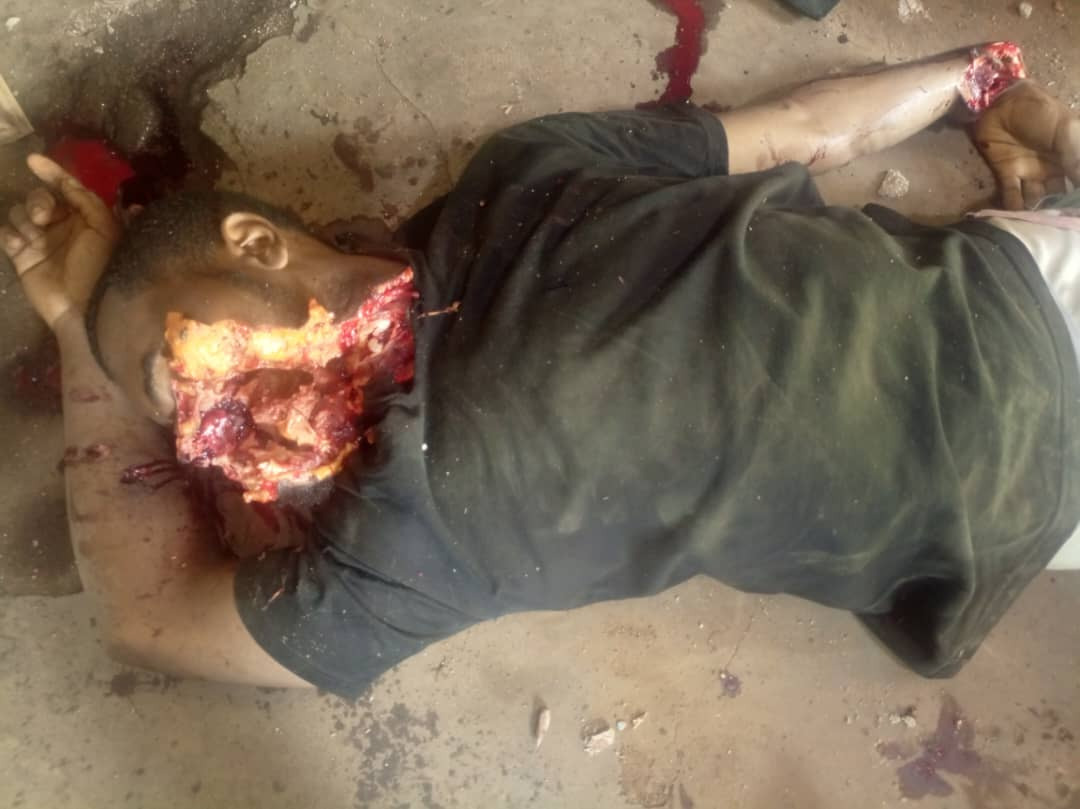
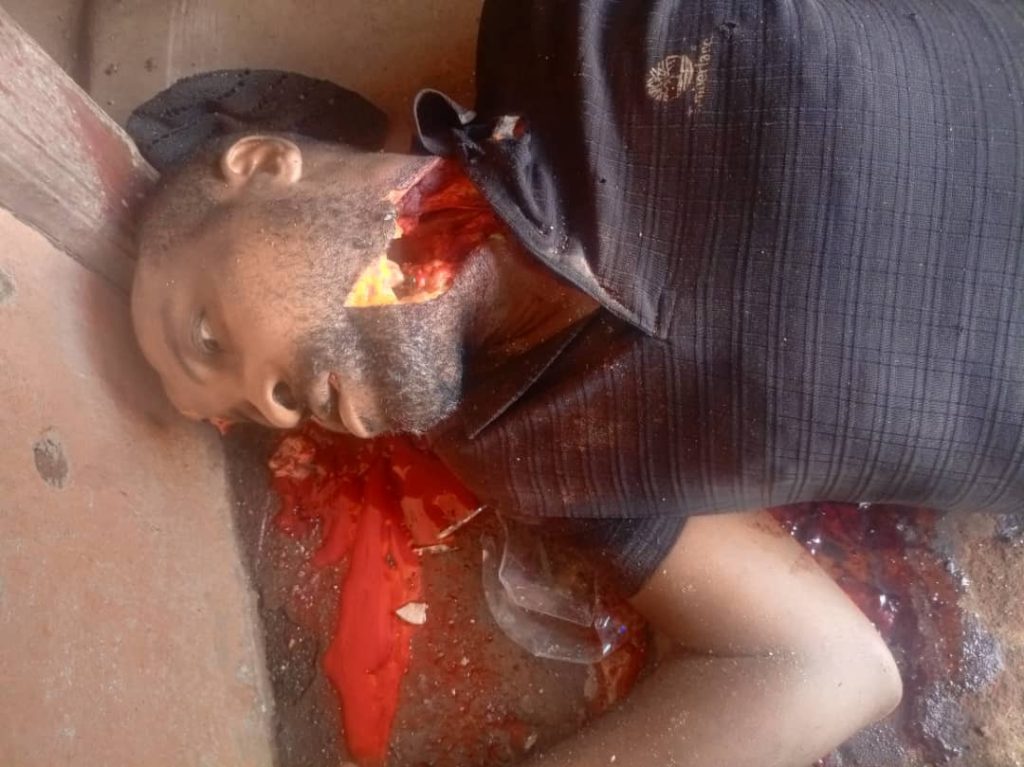
On December 5, 2025, in Nfoya, Bafut, Mezam State of Northern Ambazonia, the Cameroon Occupation Forces launched a violent attack on the community, executing six unarmed civilians at close range, including a 70-year-old man. This attack, widely referred to as the Nfoya Massacre, reflects a deliberate assault on defenseless individuals. The Nfoya Massacre demonstrates a pattern of attack where civilians are intentionally targeted, creating fear and instability. Such acts, as seen in the Nfoya Massacre, highlight the disregard for civilian protection under International Laws governing armed conflicts.
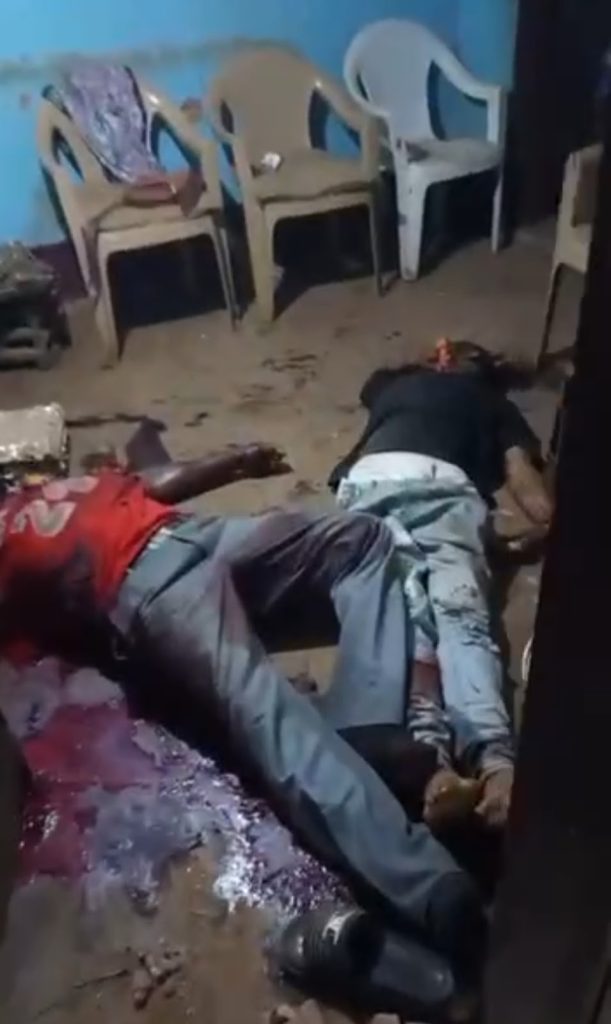
War Crime Under International Humanitarian Law
The Nfoya Massacre constitutes a clear war crime under International Laws, particularly the Geneva Conventions, which strictly forbid the killing of non-combatants. The execution of unarmed civilians is a direct violation of the principle of distinction, a cornerstone of International Humanitarian Law. The Cameroon Occupation Forces, through the Nfoya Massacre, failed to differentiate between civilians and combatants, thereby committing unlawful killings. Furthermore, the Rome Statute classifies such deliberate acts of murder and persecution as crimes against humanity when carried out systematically, as evidenced in the Nfoya Massacre.
Violation of Human Rights and Human Dignity
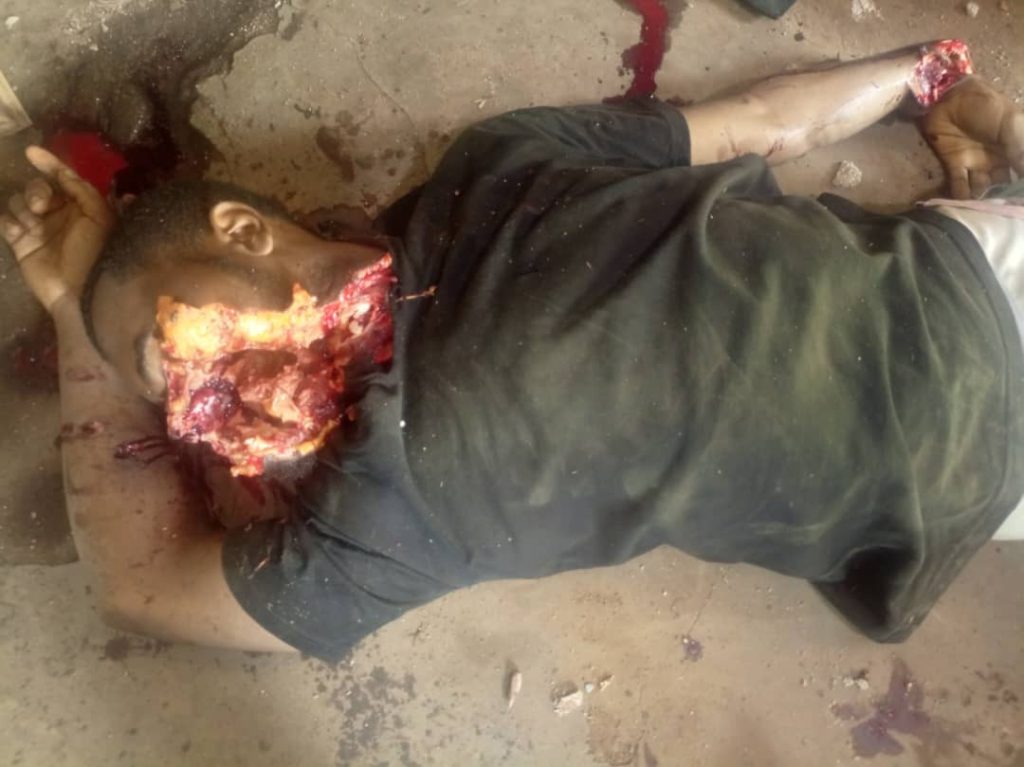
Beyond the killings, the actions of the Cameroon Occupation Forces during the Nfoya Massacre included looting and stealing from the dead, further compounding the violation of International Laws. These acts strip victims of dignity even after death and violate fundamental human rights, including the right to life, security, and respect for human dignity. The Nfoya Massacre not only ended lives but also inflicted psychological trauma on families and the wider community, undermining the universal principles established to protect civilians in times of armed conflict.
Demand for Accountability and Justice
The Nfoya Massacre stands as a grave breach of both International Humanitarian Law and human rights protections under International Laws. Such atrocities demand urgent accountability through impartial international investigations and legal proceedings. The Cameroon Occupation Forces must be held responsible for their actions to ensure justice for victims and deter future violations. The International community is called upon to intervene, uphold International Laws, and restore confidence in global justice systems, as the Nfoya Massacre continues to symbolize unchecked violence and repression in Ambazonia.